




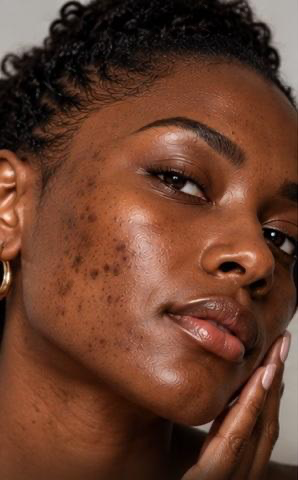
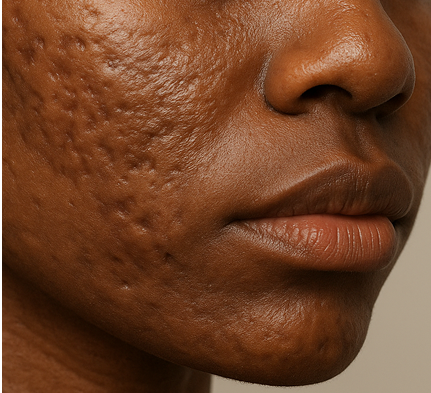

Does Sunscreen Help Fade Pigmentation? Why SPF Is Essential for Dark Spots
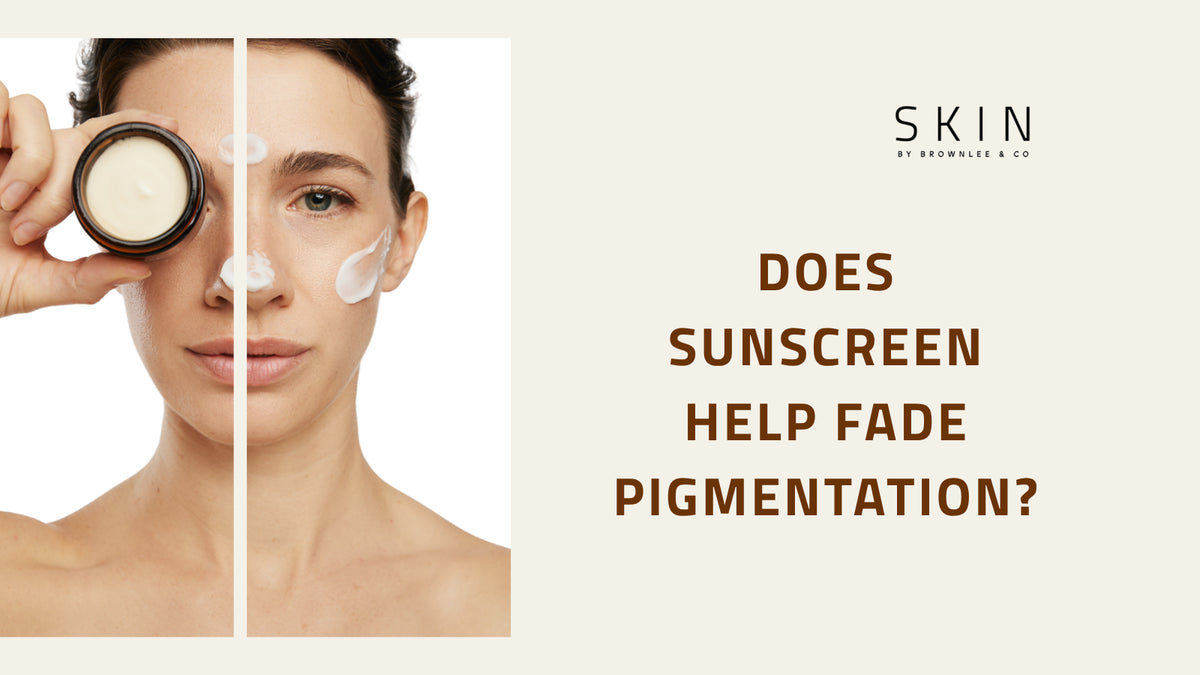
If you are trying to fade dark spots, you may be focused on brightening serums, exfoliation, and treatments.
But there is one step that can make or break your progress: sunscreen.

So, does sunscreen actually fade pigmentation?
Not by itself. Sunscreen does not remove existing pigment the way a targeted brightening or exfoliating treatment can. What it does is protect your skin from UV exposure that can stimulate more melanin, deepen existing dark spots, and make pigmentation harder to improve.
That means daily SPF is one of the most important parts of any hyperpigmentation routine.
Why Sun Exposure Makes Pigmentation Worse
Pigmentation develops when the skin produces excess melanin.
That excess pigment can be triggered by several factors, including:
- Acne and inflammation
- Hormonal changes
- Skin irritation
- UV exposure
When your skin is exposed to ultraviolet light, melanin production can increase as part of the skin's natural protective response.
If you already have dark spots, that additional pigment can make them look darker and more noticeable.
This is why using brightening products without protecting your skin from the sun can feel like taking one step forward and one step back.
Sunscreen Protects the Progress You Are Making
Think of sunscreen as the protection step in your pigmentation routine.
A targeted serum may help improve the appearance of a dark spot, but if that area is repeatedly exposed to UV rays without protection, the skin can continue producing pigment.
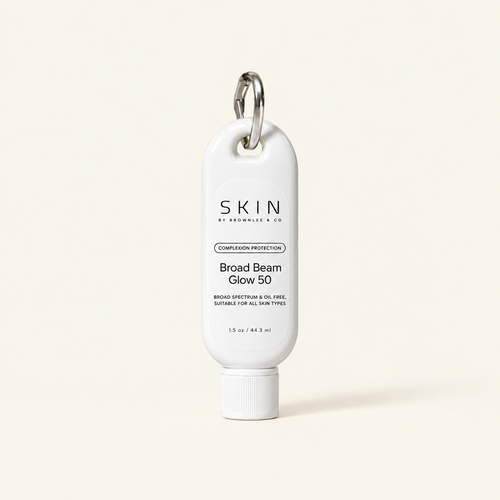
Broad Beam Glow 50 Oil Free SPF 50 Sunscreen provides broad-spectrum UVA and UVB protection in a lightweight, oil-free formula that is designed for daily use, including acne-prone and oily skin.
Using SPF consistently gives the rest of your routine a better opportunity to support a more even-looking complexion.
Why SPF Is Especially Important for Post-Acne Dark Marks
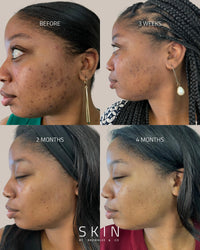
If your pigmentation started after a breakout, you may be dealing with post-inflammatory hyperpigmentation.
The cycle often looks like this:
Breakout → Inflammation → Increased pigment → Dark mark
Once the mark develops, sun exposure can make it more persistent.
This is why preventing new inflammation and protecting existing pigmentation need to happen at the same time.
For acne-prone skin, Vanishing Serum 5 helps target the inflammation and bacteria that can contribute to the breakout-to-dark-spot cycle while supporting a brighter, more even-looking complexion.
The goal is not only to fade yesterday's marks. It is to help prevent tomorrow's.
Pair Sunscreen With Targeted Brightening
SPF protects pigmentation from getting worse, but targeted skincare can help address the discoloration that is already visible.
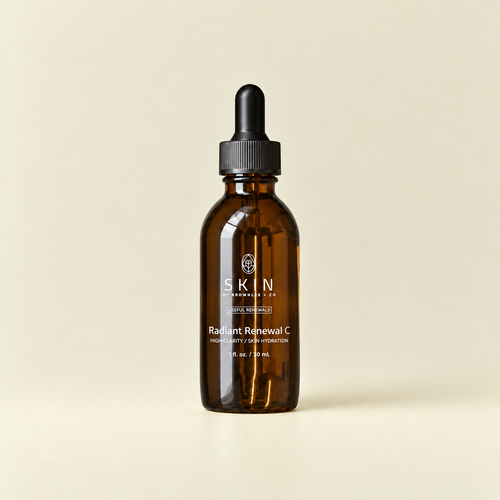
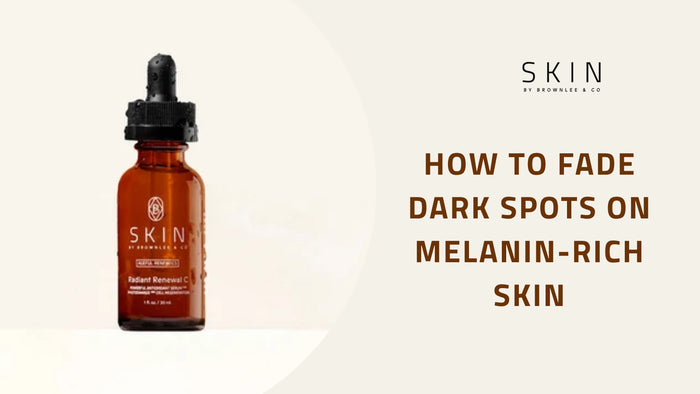
Radiant Renewal C is a vitamin C serum formulated to support brighter-looking skin, improve uneven tone, and target dark spots and post-acne marks.
Using a brightening serum during the day and following with SPF creates a simple approach:
Brighten existing discoloration.
Protect against environmental and UV triggers.
Prevent new pigmentation whenever possible.
This is more effective than relying on one product to do everything.
Why Your Dark Spots May Still Be Getting Darker
If you are treating pigmentation but not seeing the progress you expected, ask yourself:
Are you applying sunscreen every morning?
Are you protecting your skin even when you are not spending the entire day outside?
Are new breakouts or irritation continuing to create new dark marks?
Are you using too many active products and creating more inflammation?
Hyperpigmentation is easier to manage when you stop feeding the cycle.
Adding stronger treatments is not always the answer. Sometimes the missing step is consistent protection.
Sunscreen Is Prevention, Not Just Protection
Sunscreen is often treated like something you use only to prevent sunburn.
For pigmentation-prone skin, it serves a much bigger purpose.
Daily SPF helps protect against the UV exposure that can:
- Deepen existing dark spots
- Trigger additional melanin production
- Make uneven tone more noticeable
- Work against your brightening routine
This makes sun protection an important prevention step, especially if your skin is prone to acne marks or hyperpigmentation.
The Takeaway
Sunscreen does not directly erase pigmentation, but it plays a critical role in helping dark spots improve.
Without daily protection, UV exposure can continue stimulating pigment and make existing discoloration harder to fade.
A smarter approach combines daily SPF with targeted brightening and prevention-focused care.
Protect the skin. Control the triggers. Treat the pigmentation consistently.
That is how you give your skin the best chance to become clearer, brighter, and more even over time.
Shop the routine
Written by
Licensed esthetician and founder of Skin by Brownlee & Co. Sylvia specializes in acne, hyperpigmentation, and caring for melanin-rich skin.
Leave a comment